
Pop-up tents, also known as 2-second tents, are famous for their quick and easy setup, often requiring little more than a few simple steps to pitch. These tents can be classified based on the number of poles they use, which in turn affects their stability, space, weight, and overall performance. Typically, pop-up tents are divided into four main categories: one-pole tents, two-pole tents, three-pole tents, and four-pole tents. Each configuration offers distinct advantages and is suited to different types of camping or outdoor activities.
1. One-Pole Tents
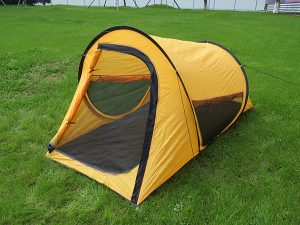
One-pole tents are the simplest and most compact configuration, featuring a single pole that supports the middle of the structure. The rest of the tent’s stability comes from securing the corners to the ground with stakes or guy lines.
Advantages:
-
- Lightweight & Compact: The single-pole design allows for the lightest weight and smallest packed size, making it ideal for solo travelers, minimalist campers, or anyone who needs a small, portable shelter.
-
- Quick Setup: As the name “2-second tent” implies, this design allows for extremely fast setup, often in less than a minute. Simply unfold the tent, and it pops into shape.
Disadvantages:
-
- Limited Space: One-pole tents are usually designed for solo use, offering minimal interior space. They are generally best suited for short stays or emergency shelter.
-
- Less Stability: While the tent is stable under calm conditions, it may not fare as well in windy or harsh weather, since its structure relies heavily on the stakes for support.
Best For: Quick weekend trips, solo campers, or situations where portability is the highest priority.
2. Two-Pole Tents
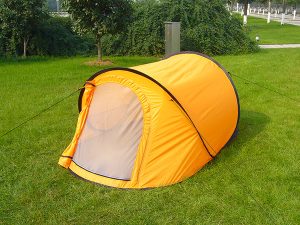
Two-pole tents are by far the most common configuration on the market and strike a great balance between stability and portability. These tents use two crisscrossing poles that create a more rigid structure than a one-pole tent, offering a better framework for weather resistance.
Advantages:
-
- Increased Stability: The two-pole system provides better resistance to wind, making these tents a solid choice for most camping environments. They can handle moderate wind and rain without much issue.
-
- More Space: Two poles allow for slightly more internal space compared to one-pole tents, providing enough room for two people or additional gear.
-
- Affordable: These tents tend to be more budget-friendly, providing a good balance of features without a hefty price tag.
Disadvantages:
-
- Longer Setup: Though still easy to set up, two-pole tents typically take a bit longer than their one-pole counterparts.
-
- Bulkier: While still relatively compact, they will generally take up a bit more space when packed compared to one-pole tents.
Best For: Casual campers, couples, or those seeking a balance between stability, ease of setup, and portability.
3. Three-Pole Tents
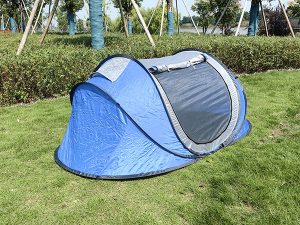
Three-pole tents add an extra pole to the two-pole design, often positioned either as a support for the roof or to create additional structure at the corners. This extra pole can make a significant difference in both stability and interior space.
Advantages:
-
- Enhanced Stability: With an additional pole, these tents offer superior wind resistance and are more stable in stormy conditions or areas with unpredictable weather.
-
- Larger Interior: The third pole often contributes to a taller structure, offering more headroom and overall space. This makes three-pole tents more comfortable for taller individuals or groups.
-
- Improved Ventilation: The additional pole can create more space for windows and vents, improving airflow inside the tent, especially in warmer climates.
Disadvantages:
-
- Heavier & Bulkier: While not excessively heavy, three-pole tents are generally bulkier and take up more space when packed. This can be a drawback for backpackers or those limited on storage space.
-
- Longer Setup Time: Setting up a three-pole tent may take a little longer than a two-pole tent, although they are still generally quick to assemble due to the pop-up mechanism.
Best For: Campers looking for more space and better weather resistance, or those planning to camp for extended periods or in varying conditions.
4. Four-Pole Tents
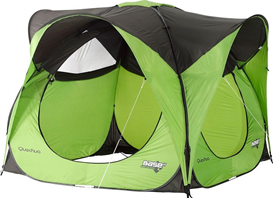
Four-pole tents are typically used for larger, more robust designs, providing the highest level of stability and space. These tents are often used for family camping, glamping, or situations where weather protection is critical.
Advantages:
-
- Maximum Stability: Four poles allow for the highest level of structural support, making these tents highly resistant to strong winds and heavy rain. This makes them ideal for camping in harsh weather conditions, such as during storms or in mountainous regions.
-
- Spacious & Comfortable: These tents often offer ample space, allowing for a family or group to camp together comfortably. You can expect standing height, extra storage room, and multiple sleeping areas.
-
- Additional Features: Many four-pole tents come with additional features such as multiple rooms, extended vestibules, larger windows, and better overall ventilation, improving the camping experience.
Disadvantages:
-
- Heavier and Bulkier: The added poles and larger size make four-pole tents significantly heavier and bulkier, which can be challenging for backpackers or those with limited storage capacity.
-
- Longer Setup Time: Although pop-up tents are quick to set up, four-pole tents may take slightly longer to assemble compared to simpler models due to the additional support poles.
Best For: Families, larger groups, or those seeking maximum comfort and protection in harsh weather conditions.
Conclusion: Which Pop-Up Tent Should You Choose?
Choosing the right pop-up tent depends largely on your individual needs and the type of camping you plan to do. For a solo trip or a minimalist adventure, a one-pole tent may be all you need. If you’re a couple or casual camper looking for a stable shelter, a two-pole tent strikes a great balance of space and portability. For those who need more space, wind resistance, or are camping for extended periods, a three-pole tent offers additional comfort and durability. Finally, for families or groups camping in extreme conditions, a four-pole tent provides the ultimate in stability, space, and weather resistance.
By understanding how the number of poles affects the tent’s design and performance, you can make an informed decision that best suits your needs for outdoor adventure.